Religious Inclusivity in the Workplace: A Digital Solution for DEI Integration
The Case Study:
This project tackles the challenge of creating inclusive corporate environments by addressing religious diversity. The solution is a digital platform that supports scheduling around religious observances, fostering inclusive collaboration and respect for diverse religious practices within organizations. Using the Human-Centered Design Toolkit, the platform ensures inclusivity, adaptability, and ease of use, which can significantly improve workplace satisfaction and culture.
Keywords: Diversity, Inclusivity, Religious Beliefs, Corporate Culture, Human-Centered Design
ABSTRACT:
This platform was developed to integrate religious observances into event and meeting scheduling, helping companies create inclusive workspaces. The project emphasizes inclusivity, usability, and adaptability, making it easier for companies to respect and accommodate the religious needs of their employees. The solution aligns with Diversity, Equity, and Inclusion (DEI) goals, enhancing corporate culture and overall performance.
My Role & Positionality:
As an Indian New Zealander with a multicultural upbringing, I have a deep commitment to diversity and inclusivity. My parents' backgrounds, Nirankari and Hindu, have influenced my awareness of religious diversity. This personal experience drives my desire to design solutions that address the systemic challenges faced by individuals due to their religious beliefs.
My Design Problem & Process:
The project began with a core research question:
"How might we use design to foster more diverse, equitable, and inclusive workplaces?"
The issue of religious inclusivity in corporate settings was identified as a key challenge. Many workplaces fail to accommodate various religious practices, leading to employee dissatisfaction. The objective was to create a platform where both employers and employees can easily schedule around religious holidays, ensuring inclusivity and respect for all.
This project followed an iterative design process using Human-Centered Design. Starting with research, I identified the needs of religiously diverse employees and their challenges in the workplace. The process included multiple feedback loops, ensuring the platform met user needs. Multiple Prototypes were tested and refined based on user interaction.
This project followed an iterative design process using Human-Centered Design. Starting with research, I identified the needs of religiously diverse employees and their challenges in the workplace. The process included multiple feedback loops, ensuring the platform met user needs. Multiple Prototypes were tested and refined based on user interaction.
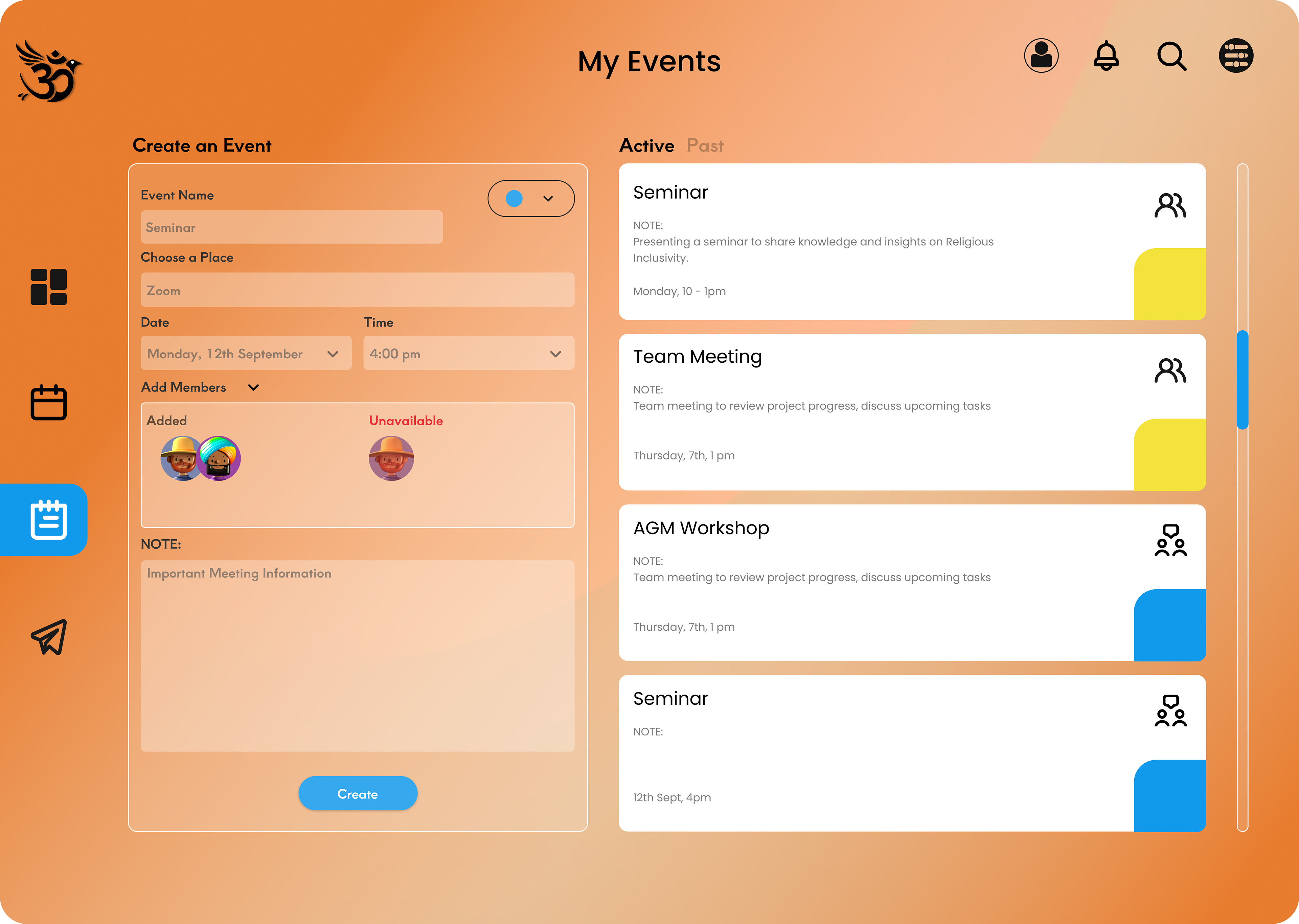
Final Prototype & Features:
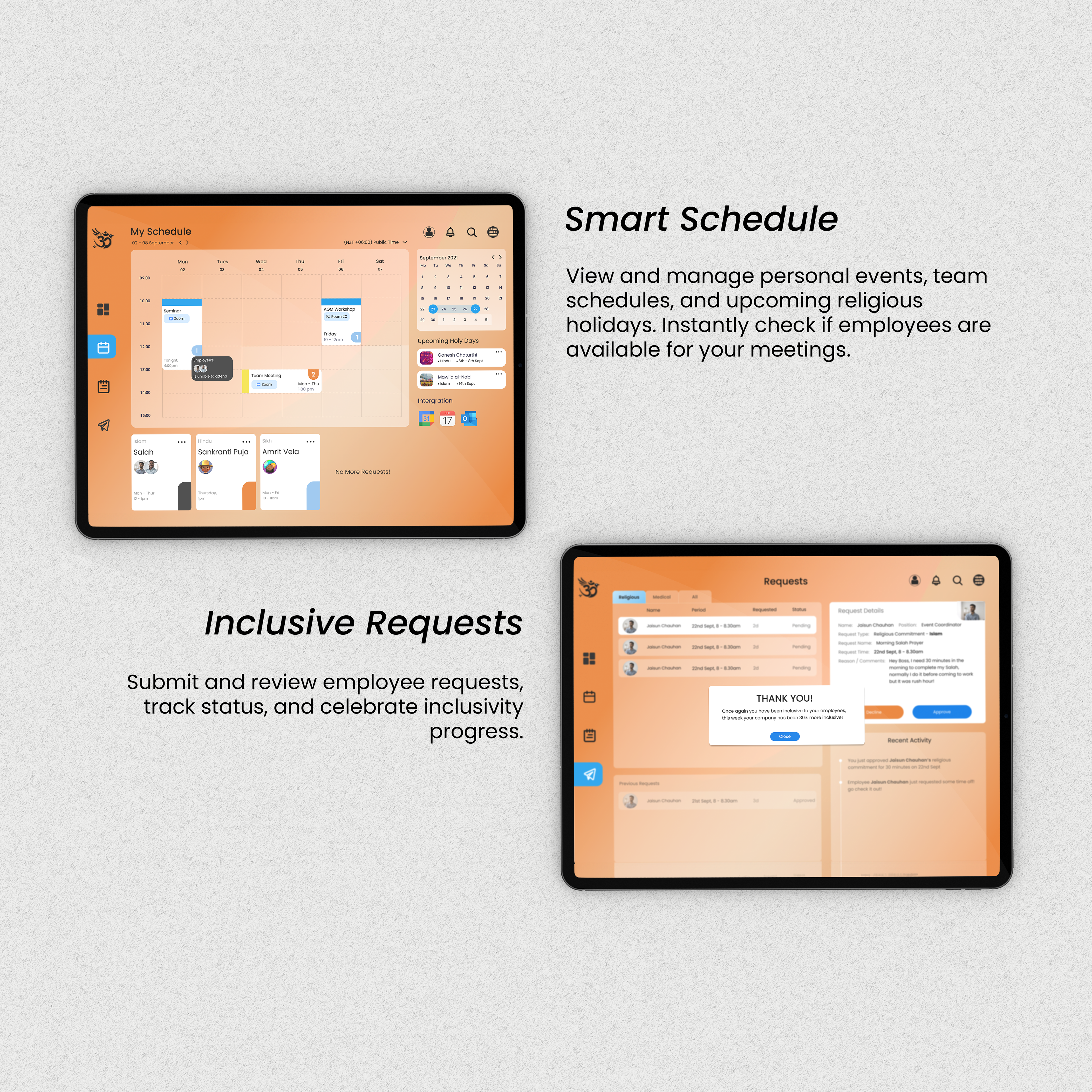
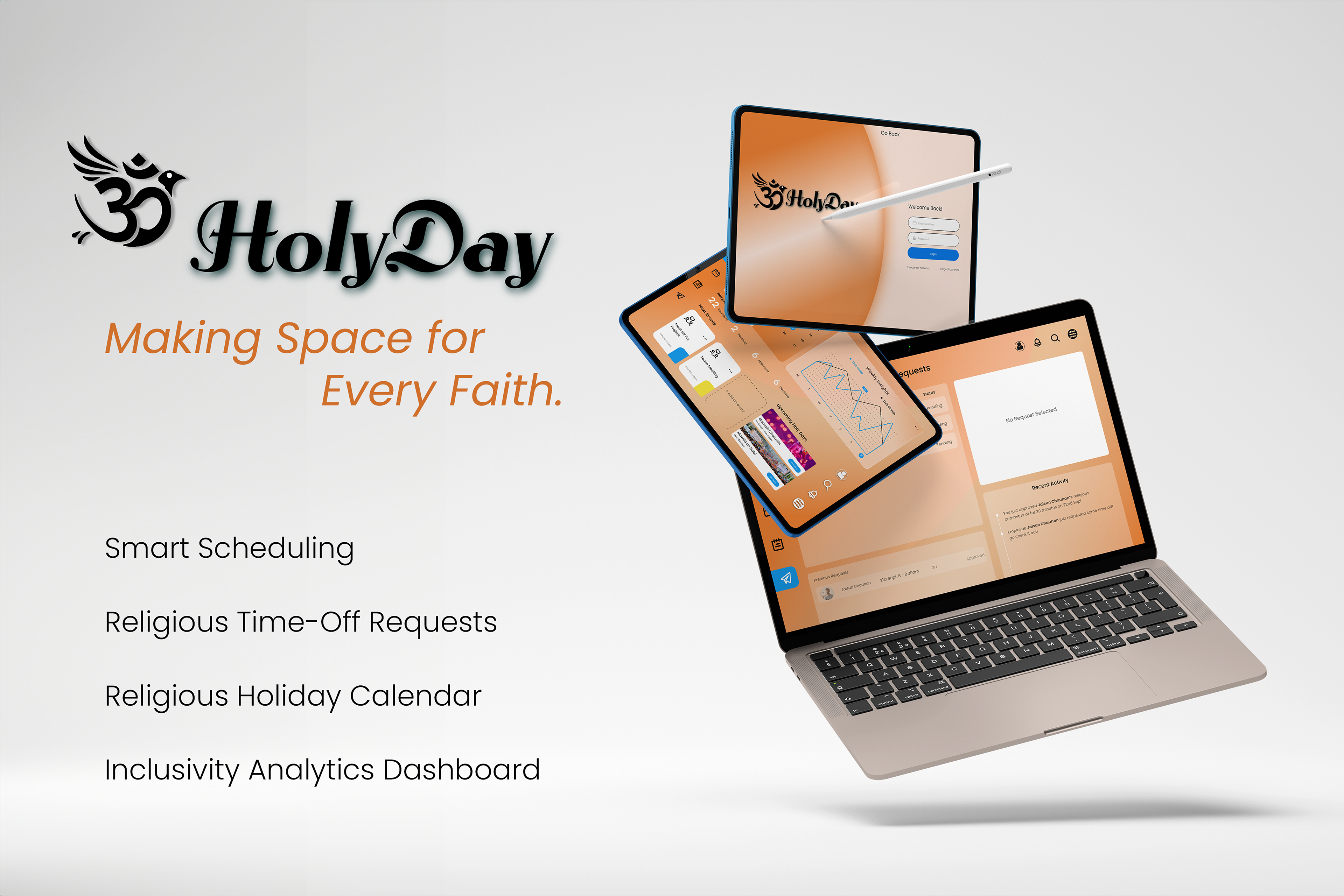
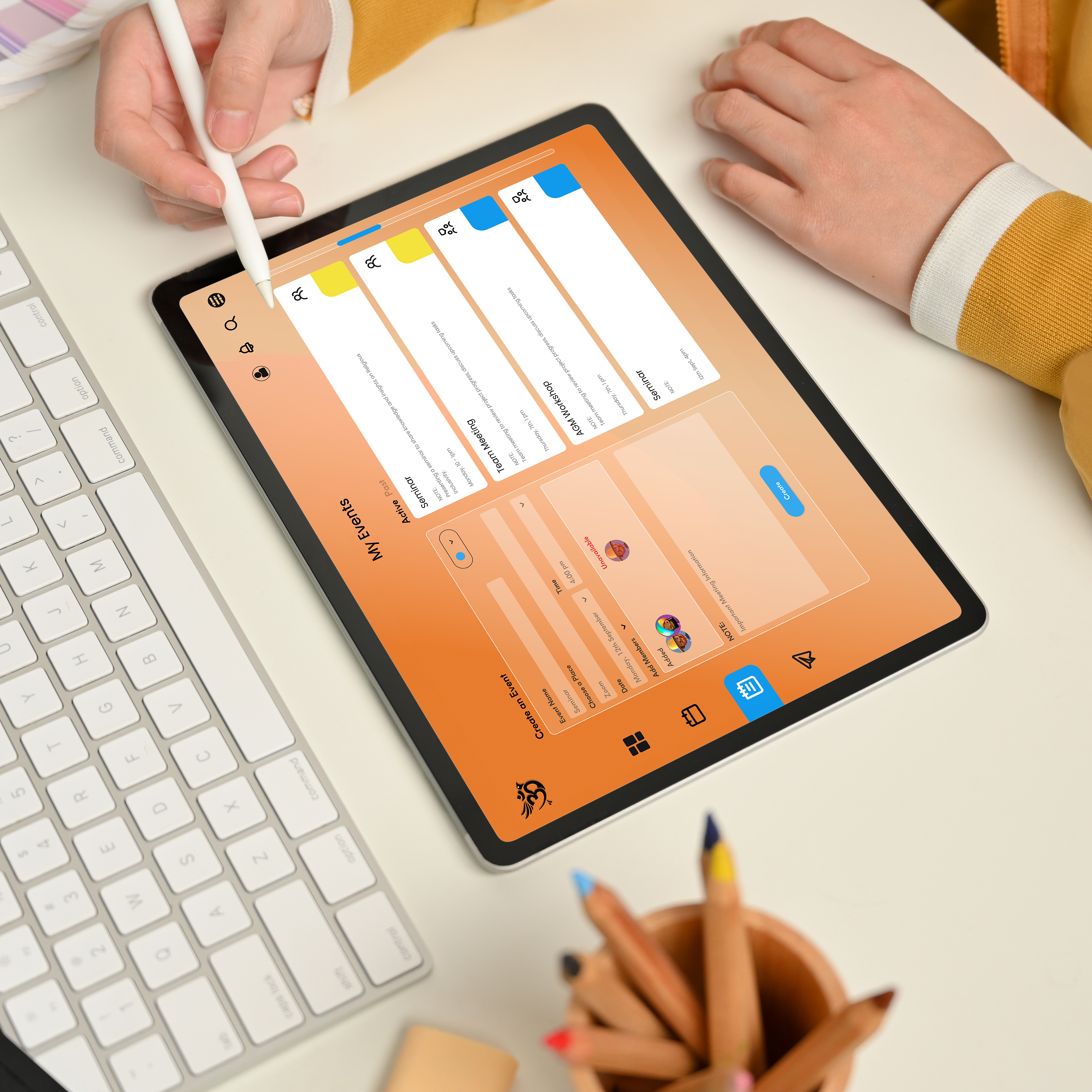
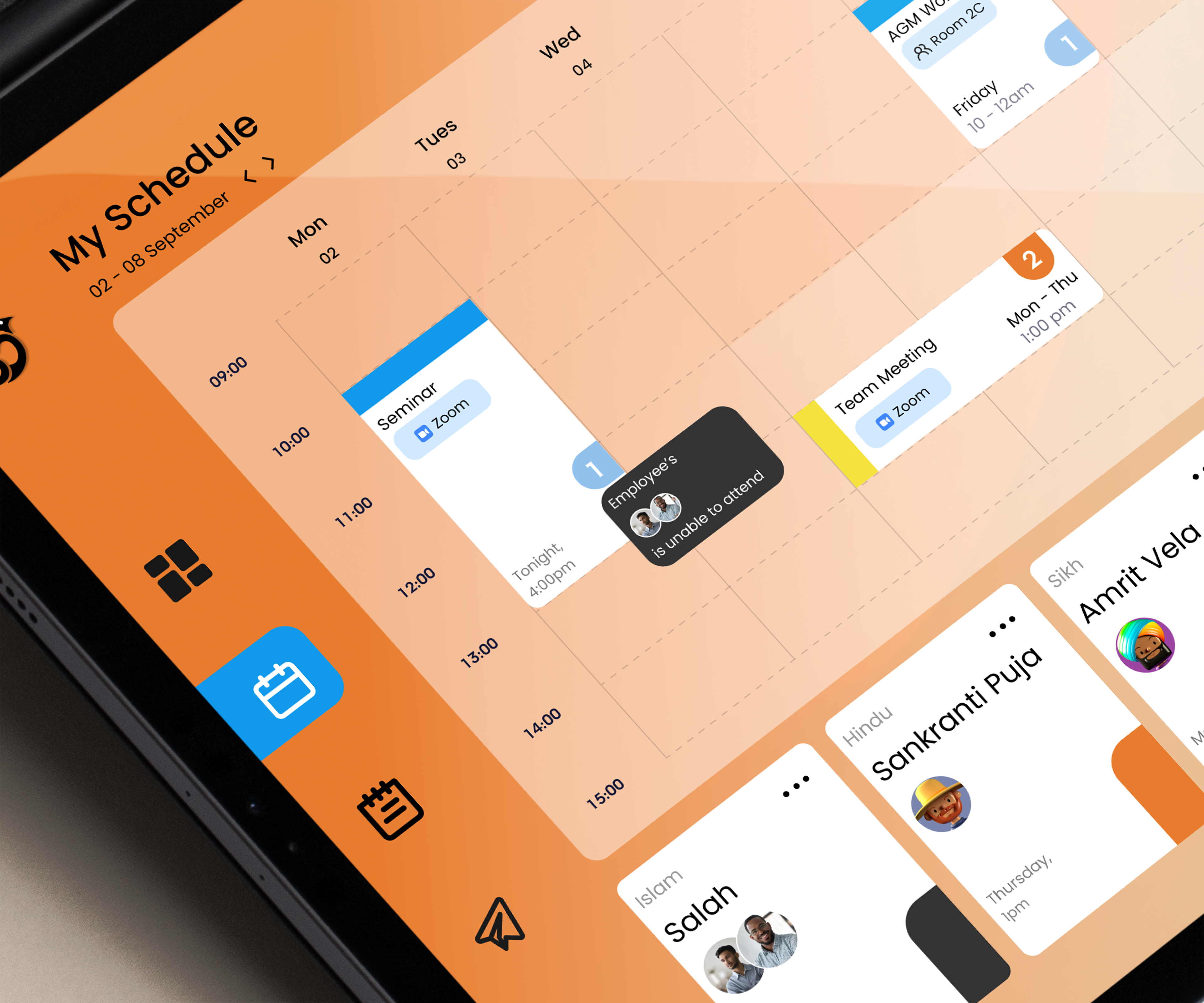
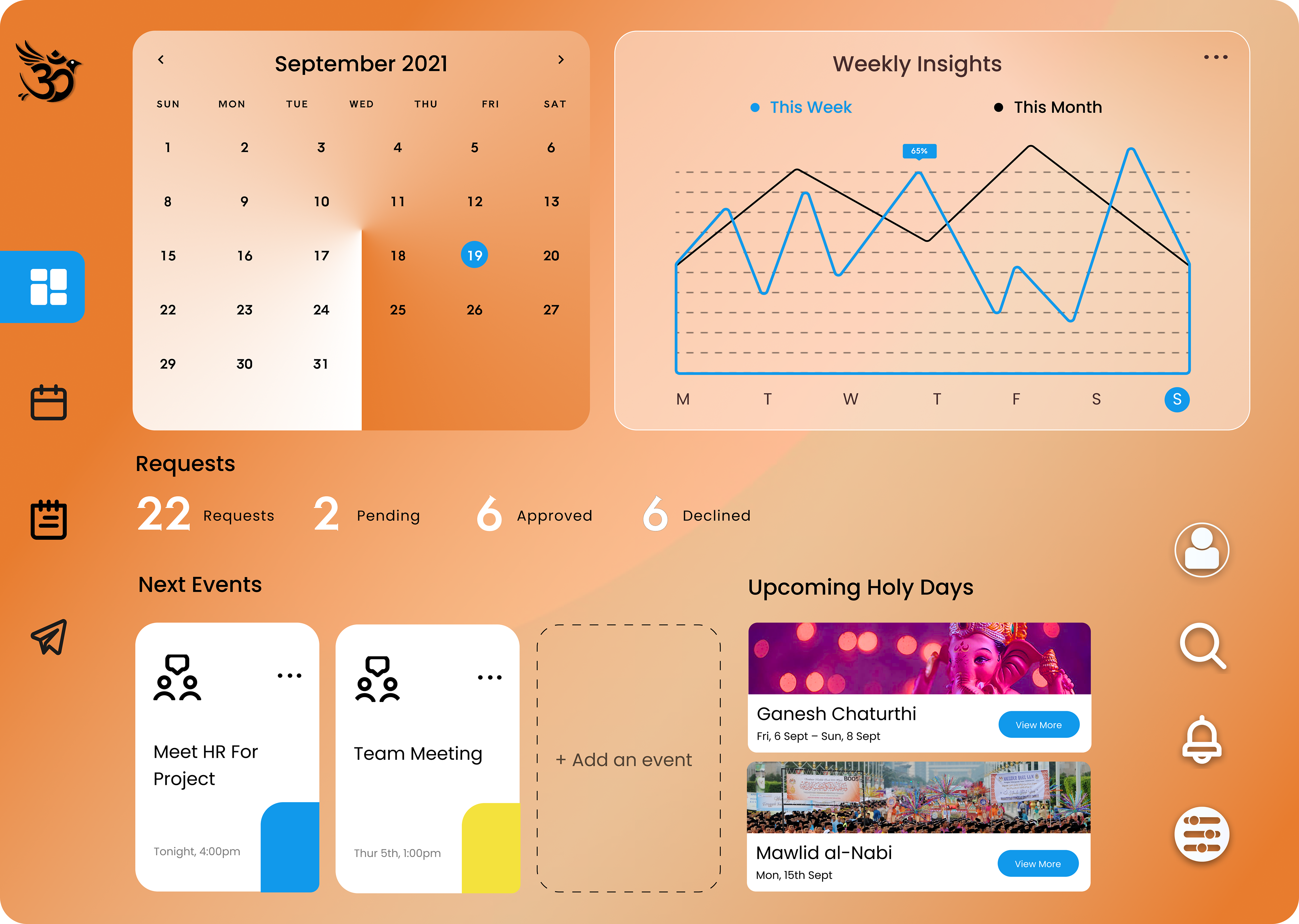
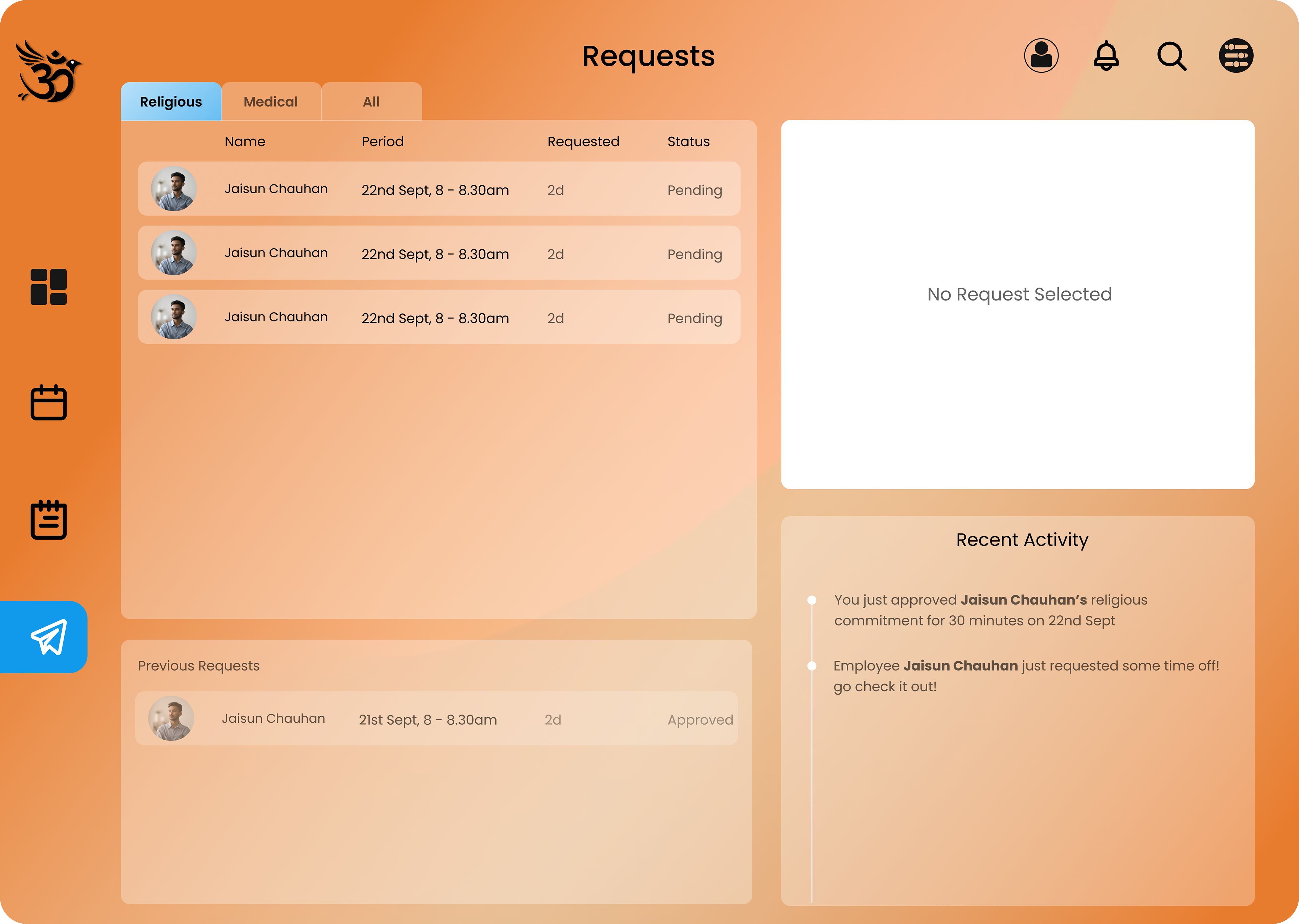
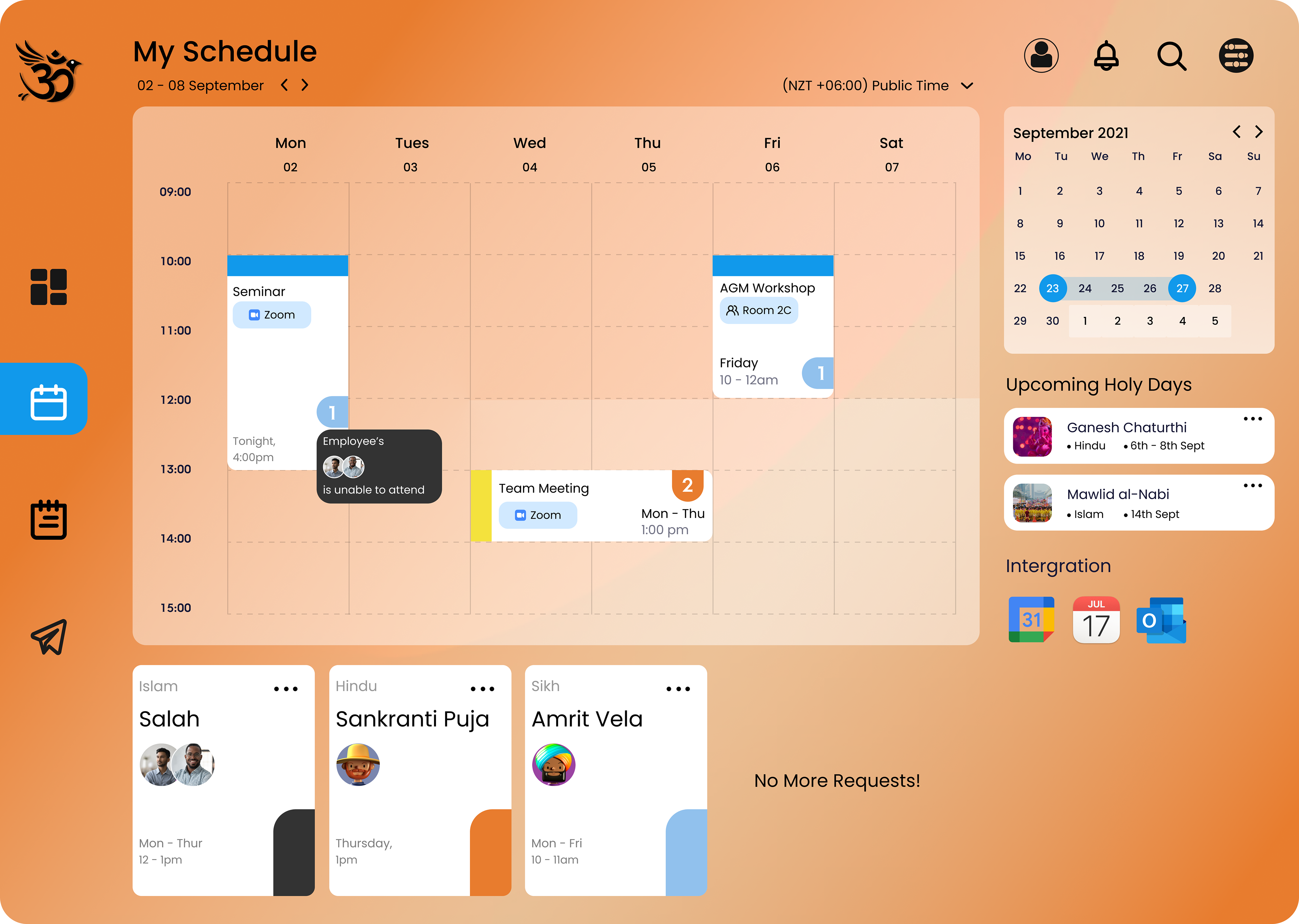
The final platform includes a variety of features that enable companies to incorporate religious inclusivity into their daily operations. Users can input their religious observances, and the platform ensures no conflicts with meetings or events.